
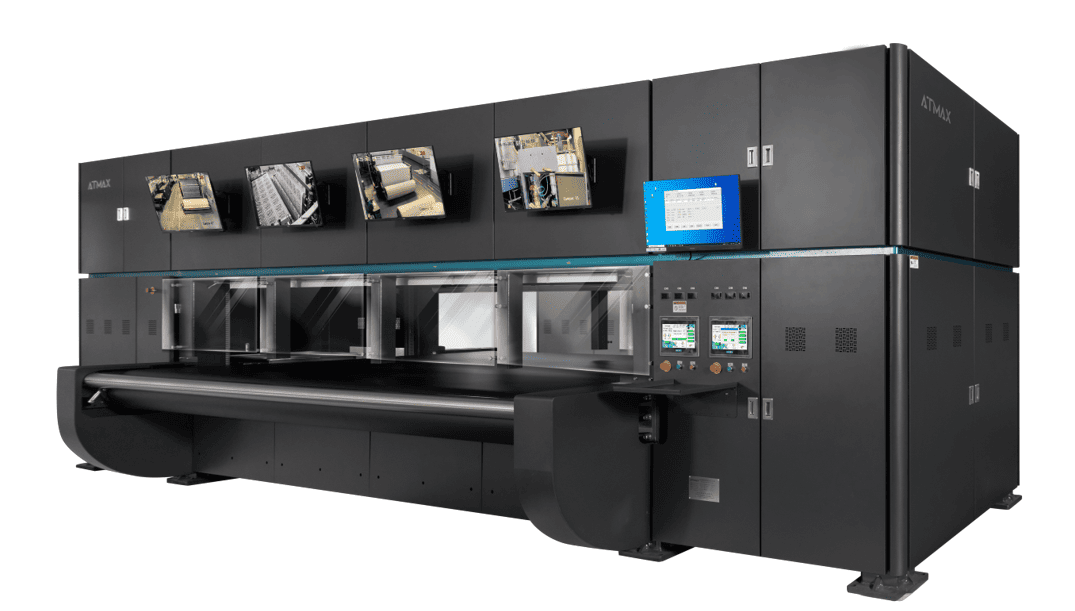
Textile Printing Equipment Suppliers in the UK: What to Look For
The UK textile industry continues to evolve as manufacturers invest in advanced technologies to improve productivity, reduce waste, and meet growing demand for customised products. From fashion fabrics and home textiles to carpets and commercial flooring, digital printing is becoming a key driver of innovation across the sector.
As a result, many businesses are actively searching for reliable textile printing equipment suppliers in the UK to help modernise their production capabilities. However, choosing the right supplier involves much more than comparing machine prices. Factors such as technical support, spare parts availability, training, and long-term reliability can have a major impact on the success of your investment.
Whether you are launching a new textile printing business or upgrading an existing manufacturing operation, this guide explains what to look for when selecting a textile printing equipment supplier in the UK.
Why Choosing the Right Supplier Matters
Purchasing textile printing equipment is a significant investment that can influence your business for years to come.
A reliable supplier does more than simply sell machinery. They provide expertise, training, technical support, and ongoing assistance that help manufacturers maximise productivity and minimise downtime.
The right supplier can help you:
- Improve production efficiency
- Reduce operating costs
- Maintain consistent print quality
- Access technical expertise
- Minimise equipment downtime
- Scale your manufacturing operations
Choosing the wrong supplier can lead to production delays, expensive repairs, and reduced profitability.
Define Your Production Requirements
Before contacting textile printing equipment suppliers in the UK, it is important to understand your business needs.
What Products Will You Print?
Different printing systems are designed for different applications.
Common applications include:
- Carpet printing
- Fashion textiles
- Upholstery fabrics
- Home décor products
- Soft signage
- Industrial textiles
Identifying your primary product category helps narrow down the most suitable equipment options.
What Production Volumes Do You Expect?
Production requirements vary significantly between businesses.
Some manufacturers focus on:
- Small-batch custom orders
- On-demand production
- High-volume industrial manufacturing
The right equipment should align with your current needs while allowing room for future growth.
Evaluate Available Printing Technologies
Modern textile printing equipment suppliers offer a range of technologies.
Understanding these options is essential before making an investment.
Digital Textile Printing
Digital textile printing uses advanced inkjet technology to print directly onto textile surfaces.
Benefits include:
- Fast setup
- Customisation capabilities
- Reduced waste
- High-resolution output
- Flexible production volumes
Digital printing is ideal for manufacturers seeking design flexibility and shorter production runs.
Digital Carpet Printing
Digital carpet printing has become increasingly popular in the UK’s hospitality, commercial, and residential flooring sectors.
Benefits include:
- Bespoke carpet production
- Corporate branding applications
- Hospitality flooring solutions
- Faster production times
- Reduced setup costs
Manufacturers entering the flooring market should consider suppliers with expertise in digital carpet printing technologies.
Assess Equipment Quality
Machine quality directly affects productivity, product consistency, and maintenance requirements.
When evaluating textile printing equipment suppliers in the UK, examine the following factors.
Print Resolution
High-resolution printers produce sharper details and superior image quality.
This is especially important for custom carpets, premium fabrics, and detailed graphic designs.
Production Speed
Faster printing speeds improve output capacity and operational efficiency.
Manufacturers should balance speed with print quality to achieve optimal results.
Durability
Industrial textile printing equipment should be capable of operating continuously under demanding production conditions.
A reliable machine reduces maintenance costs and improves long-term profitability.
Ink Compatibility
Different textile applications require different ink systems.
Ensure the equipment supports the materials and applications relevant to your business.
Consider Technical Support and Service
One of the most important aspects of supplier selection is after-sales support.
Even the best equipment requires maintenance and occasional servicing.
A strong supplier should provide:
- Installation assistance
- Operator training
- Remote technical support
- Preventive maintenance programmes
- On-site servicing when required
Fast and effective support can significantly reduce production downtime.
Availability of Spare Parts
Access to genuine spare parts is essential for maintaining equipment performance.
Before purchasing a machine, ask suppliers about:
- Spare parts inventory
- Delivery times
- Local service capabilities
- Replacement printheads
- Maintenance kits
A supplier with strong parts availability can help minimise operational disruptions.
Training and Knowledge Transfer
Modern textile printing systems often include sophisticated software and automation tools.
Comprehensive training enables operators to:
- Improve print quality
- Reduce material waste
- Perform routine maintenance
- Troubleshoot common issues
- Maximise production efficiency
The best suppliers invest in customer success through ongoing education and technical guidance.
Compare the Total Cost of Ownership
Many businesses focus solely on the purchase price of equipment.
However, the total cost of ownership includes much more.
Equipment Purchase Cost
The initial investment is only one component of overall expenses.
Ink and Consumables
Different systems vary significantly in operating costs.
Maintenance Costs
Regular servicing and replacement parts should be included in financial planning.
Energy Consumption
Energy-efficient equipment can reduce operating expenses over time.
Training and Support
Strong support services often justify a higher initial investment.
A machine with a higher purchase price may ultimately deliver better long-term value.
Why Local Support Matters
For UK manufacturers, local support offers several advantages.
These include:
- Faster response times
- Easier communication
- Reduced downtime
- Access to local technicians
- Quicker spare parts delivery
Manufacturers operating under strict production schedules often benefit significantly from suppliers with a strong UK presence.
Questions to Ask Before Buying
Before selecting a textile printing equipment supplier, consider asking:
- What industries do your machines serve?
- What materials can the equipment print on?
- What training is included?
- How quickly can spare parts be supplied?
- What warranty is provided?
- Do you offer preventative maintenance programmes?
- What technical support options are available?
The answers will help identify suppliers that are committed to long-term customer success.
Future Trends in Textile Printing Equipment
The UK textile industry is rapidly adopting new technologies.
Emerging trends include:
- Automated production systems
- AI-driven colour management
- Water-free printing technologies
- Sustainable manufacturing solutions
- Smart factory integration
Manufacturers investing in future-ready equipment will be better positioned to remain competitive in an evolving market.
Conclusion
Choosing the right textile printing equipment suppliers in the UK requires careful evaluation of technology, machine quality, support services, spare parts availability, and long-term operating costs.
By focusing on total value rather than purchase price alone, manufacturers can make informed decisions that support growth, productivity, and profitability. As digital printing continues to transform the UK textile industry, partnering with a trusted equipment supplier will be essential for achieving long-term success.