Reviving British Textile Manufacturing with Digital Carpet Printing
For centuries, Britain has been recognised as one of the world’s most influential textile manufacturing nations. From the mills of Lancashire and Yorkshire to globally respected carpet manufacturers in England and Scotland, the textile industry has played a crucial role in the country’s economic growth and industrial development.
While the industry has faced significant challenges over recent decades—including global competition, rising production costs, and changing consumer demands—new technologies are creating fresh opportunities for growth. Among the most promising innovations is digital carpet printing, a technology that is helping reshape the future of British textile manufacturing.
Digital carpet printing combines advanced printing technology with modern manufacturing processes, allowing businesses to produce customised, high-quality carpets more efficiently than ever before. As manufacturers seek ways to compete in a rapidly changing market, digital printing is emerging as a powerful tool for revitalising the UK textile sector.
The Legacy of British Textile Manufacturing
Britain’s textile industry has a rich history dating back hundreds of years.
The Industrial Revolution transformed the country into a global leader in textile production, creating thousands of jobs and establishing manufacturing regions that became internationally recognised for quality and craftsmanship.
The UK’s textile sector has traditionally been known for producing:
- Wool products
- Carpets and rugs
- Fashion textiles
- Upholstery fabrics
- Technical textiles
- Interior furnishing materials
Many of these industries continue to operate today, although manufacturers face increasing competition from lower-cost production regions around the world.
Challenges Facing Modern Textile Manufacturers
British manufacturers operate in a highly competitive global environment.
Some of the most significant challenges include:
Rising Production Costs
Energy, labour, and operational expenses continue to increase across the UK manufacturing sector.
Global Competition
Manufacturers often compete with international suppliers offering lower production costs.
Demand for Faster Production
Customers increasingly expect shorter lead times and quicker delivery schedules.
Sustainability Expectations
Businesses are under pressure to reduce waste, improve environmental performance, and meet sustainability goals.
Growing Demand for Customisation
Modern consumers and commercial clients increasingly prefer personalised products over standardised designs.
To remain competitive, manufacturers must adopt technologies that address these challenges while creating new opportunities for growth.
How Digital Carpet Printing Is Driving Industry Transformation
Digital carpet printing is one of the most important technological developments currently influencing the textile and flooring industries.
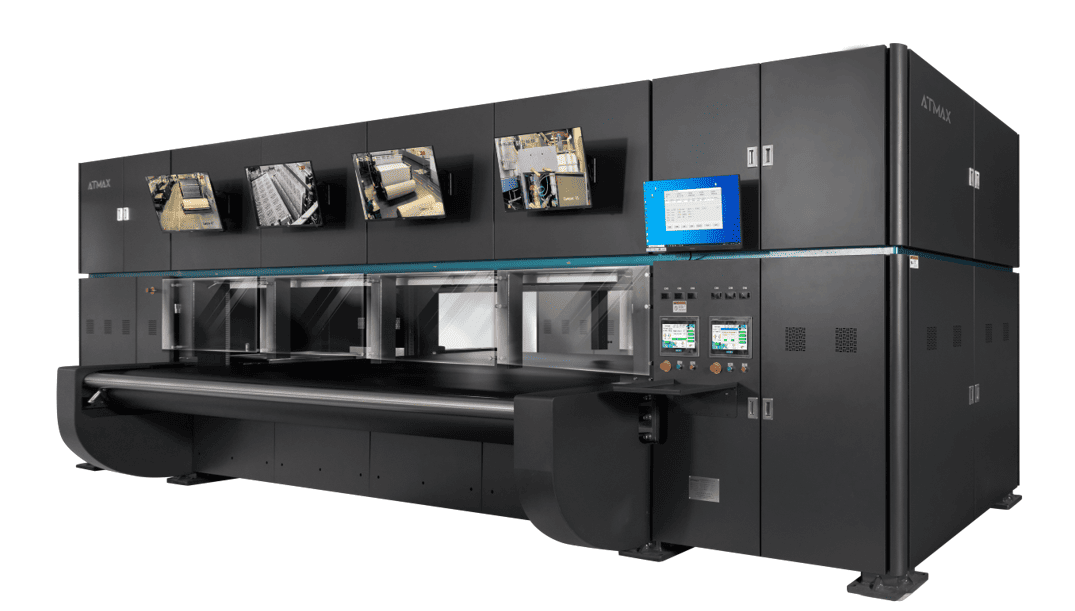
Unlike traditional carpet printing methods that rely on screens and lengthy setup procedures, digital printing applies designs directly onto carpet materials using advanced inkjet technology.
This approach delivers numerous advantages for manufacturers.
Greater Production Flexibility
Digital printing allows manufacturers to produce:
- Custom carpet designs
- Short production runs
- Limited-edition collections
- Corporate-branded flooring
- Bespoke hospitality carpets
This flexibility enables businesses to serve niche markets that were previously difficult to reach economically.
Faster Time to Market
Traditional production methods often involve lengthy preparation and setup processes.
Digital printing significantly reduces these requirements, allowing manufacturers to respond quickly to customer requests and emerging trends.
Improved Product Innovation
Manufacturers can experiment with new patterns, colours, and design concepts without incurring significant setup costs.
This encourages creativity and product diversification.
Supporting the Shift Towards Customisation
One of the strongest trends influencing British manufacturing is the growing demand for customised products.
Hotels, corporate offices, retailers, educational institutions, and residential customers increasingly seek unique flooring solutions tailored to their specific needs.
Digital carpet printing allows manufacturers to produce:
- Personalised interior designs
- Brand-specific flooring
- Event carpets
- Wayfinding graphics
- Luxury custom carpets
By offering customisation at scale, manufacturers can differentiate themselves from competitors and command premium pricing.
Sustainability and Environmental Responsibility
Sustainability is becoming a key factor in manufacturing decision-making.
Traditional textile printing methods can involve substantial water consumption, waste generation, and chemical use.
Digital carpet printing supports more sustainable manufacturing through:
Reduced Water Consumption
Many modern digital printing systems use water-free or low-water technologies.
Lower Material Waste
Precise digital application minimises excess material usage.
Reduced Chemical Requirements
Advanced ink systems often require fewer chemicals than traditional processes.
Improved Resource Efficiency
Digital workflows streamline production and reduce unnecessary waste.
These benefits help manufacturers align with environmental standards while appealing to environmentally conscious customers.
Strengthening UK Manufacturing Competitiveness
Digital printing technology enables British manufacturers to compete on factors beyond price alone.
Instead of focusing solely on low-cost production, businesses can differentiate themselves through:
- Quality
- Innovation
- Sustainability
- Design flexibility
- Fast delivery
- Technical expertise
These strengths are particularly valuable in premium market segments where customers prioritise performance and customisation over cost alone.
Opportunities in Hospitality and Commercial Markets
Several sectors are creating significant demand for digitally printed carpets.
Hospitality Industry
Hotels, resorts, and conference centres increasingly require bespoke flooring solutions that align with their brand identity.
Corporate Offices
Businesses use customised carpets to enhance workplace environments and reinforce branding.
Retail Spaces
Retailers seek distinctive interiors that improve customer experiences.
Educational Facilities
Schools and universities often require customised flooring featuring institutional branding and functional wayfinding elements.
These sectors provide ongoing opportunities for manufacturers that invest in digital printing capabilities.
Supporting Local Production and Supply Chains
Digital carpet printing also supports the growing trend towards local manufacturing.
Businesses increasingly value:
- Shorter supply chains
- Faster delivery times
- Improved quality control
- Reduced transportation costs
- Greater production transparency
By manufacturing within the UK, companies can provide faster service while supporting domestic industry and employment.
The Role of Technology in Future Growth
The future of British textile manufacturing will be shaped by technology.
Emerging innovations include:
- Automated production systems
- Smart factory integration
- AI-driven design tools
- Advanced colour management
- Sustainable ink technologies
- Data-driven manufacturing processes
Digital carpet printing forms a key part of this transformation by helping manufacturers modernise operations and improve competitiveness.
Building a More Resilient Industry
Recent global supply chain disruptions have highlighted the importance of domestic manufacturing capabilities.
Investing in advanced technologies such as digital carpet printing can help strengthen the resilience of the UK textile sector by:
- Increasing production flexibility
- Reducing reliance on imports
- Supporting local employment
- Expanding manufacturing capacity
- Encouraging innovation
These benefits contribute to a stronger and more sustainable industry.
Why the Future Looks Bright
Despite past challenges, the outlook for British textile manufacturing is increasingly positive.
Several trends support future growth:
- Increased demand for customised products
- Greater emphasis on sustainability
- Growth in hospitality and commercial development
- Technological innovation
- Renewed interest in domestic manufacturing
Manufacturers that embrace digital transformation are likely to benefit from these opportunities and achieve long-term success.
Conclusion
British textile manufacturing is entering a new era driven by innovation, sustainability, and digital technology. Digital carpet printing is helping manufacturers modernise production processes, reduce environmental impact, improve efficiency, and meet growing demand for customised products.
As businesses continue to seek ways to compete in a global marketplace, digital printing offers a practical path towards revitalising domestic manufacturing while preserving Britain’s reputation for quality and craftsmanship. By investing in advanced technologies today, manufacturers can help shape a stronger, more competitive future for the UK textile industry.