
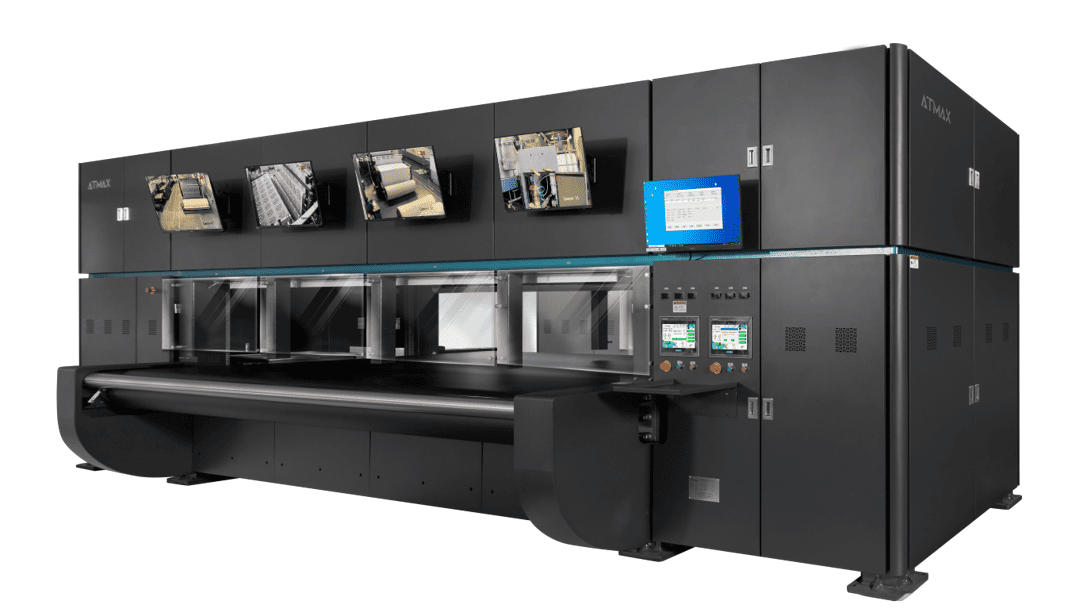
Meeting UK Environmental Standards with Water-Free Textile Printing
Environmental responsibility is becoming one of the most important priorities for manufacturers across the United Kingdom. From reducing carbon emissions and conserving natural resources to improving waste management practices, businesses are under increasing pressure to adopt more sustainable production methods.
The textile industry, including carpet manufacturing, is no exception. Traditional textile printing processes often require significant amounts of water, energy, and chemicals, creating environmental challenges and increasing operational costs. As regulations continue to evolve and customer expectations shift towards sustainability, many manufacturers are exploring cleaner production technologies.
One of the most effective solutions is water-free textile printing in the UK. By significantly reducing water consumption and minimising waste, digital printing technologies are helping textile manufacturers meet environmental standards while improving operational efficiency.
This article explores how water-free textile printing supports sustainability goals, helps businesses comply with environmental requirements, and contributes to the future of British manufacturing.
Why Sustainability Matters in Textile Manufacturing
The textile industry has traditionally been associated with high resource consumption.
Conventional printing and dyeing processes often require:
- Large quantities of water
- Significant energy usage
- Chemical treatments
- Wastewater management systems
- Multiple production stages
As environmental awareness grows, governments, businesses, and consumers are demanding more sustainable manufacturing practices.
For UK manufacturers, sustainability is no longer simply a corporate responsibility initiative—it has become a competitive necessity.
Businesses that demonstrate environmental leadership are increasingly preferred by customers, investors, and procurement teams.
Understanding Water-Free Textile Printing
Water-free textile printing refers to advanced digital printing technologies that minimise or eliminate the need for traditional water-intensive processes.
Instead of relying on dye baths, washing cycles, and extensive rinsing procedures, digital printing systems apply inks directly onto textile surfaces with high precision.
This approach provides several advantages:
- Reduced water usage
- Lower energy consumption
- Reduced chemical requirements
- Faster production times
- Improved resource efficiency
For carpet manufacturers and textile producers, these benefits can significantly improve both environmental performance and profitability.
The Environmental Challenges of Traditional Textile Printing
Traditional textile printing often involves multiple production stages that consume substantial amounts of water.
Water is commonly used for:
- Dye preparation
- Fabric washing
- Colour fixation
- Cleaning equipment
- Finishing treatments
In addition to water consumption, manufacturers must often manage wastewater containing dyes, chemicals, and other processing materials.
This creates several challenges:
- Increased operating costs
- Regulatory compliance requirements
- Environmental risks
- Additional treatment infrastructure
Reducing dependence on these processes is becoming increasingly important across the industry.
How Water-Free Printing Supports UK Environmental Goals
Reducing Water Consumption
Water conservation is one of the most significant advantages of digital printing technologies.
Traditional textile printing can consume thousands of litres of water during production.
Water-free systems dramatically reduce this requirement, helping manufacturers:
- Lower utility costs
- Conserve natural resources
- Improve sustainability performance
As water management becomes an increasingly important environmental issue, reducing consumption provides both ecological and financial benefits.
Minimising Wastewater Generation
Wastewater treatment represents a major challenge for many manufacturers.
By reducing or eliminating water-intensive production stages, digital printing significantly decreases wastewater output.
This helps businesses:
- Simplify compliance processes
- Reduce treatment costs
- Minimise environmental impact
The result is a cleaner and more efficient manufacturing operation.
Lower Chemical Usage
Digital printing technologies often require fewer chemicals than traditional textile printing methods.
This contributes to:
- Reduced environmental risk
- Improved workplace safety
- Simplified waste management
- Cleaner production processes
Lower chemical usage also supports broader sustainability initiatives.
Supporting Corporate Sustainability Objectives
Many UK businesses have established ambitious environmental, social, and governance (ESG) goals.
These objectives often include:
- Reducing resource consumption
- Lowering carbon emissions
- Improving waste management
- Enhancing operational efficiency
Water-free textile printing directly supports these goals by creating more sustainable production processes.
For manufacturers seeking to strengthen their ESG performance, digital printing represents a practical and measurable solution.
Improving Resource Efficiency
Resource efficiency is a key principle of sustainable manufacturing.
Water-free printing improves efficiency through:
Precise Ink Application
Digital systems apply ink only where required, reducing waste.
Reduced Material Losses
Advanced workflow management minimises production errors and unnecessary consumption.
Faster Production Processes
Shorter production cycles help reduce energy usage and improve overall productivity.
These efficiencies benefit both the environment and business profitability.
Meeting Customer Expectations
Sustainability is increasingly influencing purchasing decisions.
Many organisations now prioritise environmentally responsible suppliers when selecting products and services.
Industries driving demand for sustainable textiles include:
- Hospitality
- Commercial property
- Retail
- Education
- Healthcare
- Public sector procurement
Manufacturers that adopt water-free printing technologies can strengthen their appeal to environmentally conscious customers.
Sustainability Benefits for Carpet Manufacturers
Digital carpet printing is one of the fastest-growing applications of water-free textile printing.
Benefits for carpet manufacturers include:
Reduced Water Consumption
Modern carpet printing systems can significantly reduce water requirements compared to traditional methods.
Custom Production
Digital printing allows on-demand manufacturing, reducing excess inventory and waste.
Improved Production Flexibility
Manufacturers can respond quickly to customer requests without generating unnecessary material waste.
Enhanced Sustainability Credentials
Businesses can demonstrate their commitment to environmentally responsible production practices.
These advantages are becoming increasingly valuable in competitive markets.
Financial Benefits of Sustainable Manufacturing
While environmental improvements are important, sustainability can also deliver significant financial benefits.
Potential savings include:
- Lower water bills
- Reduced wastewater treatment costs
- Lower energy consumption
- Reduced material waste
- Improved operational efficiency
These savings can help offset investment costs and improve long-term profitability.
Industry Trends Driving Adoption
Several trends are accelerating the adoption of water-free textile printing across the UK.
Increased Environmental Regulation
Manufacturers face growing pressure to reduce environmental impact and improve resource efficiency.
Corporate Sustainability Commitments
Businesses are investing in technologies that support long-term sustainability goals.
Demand for Customisation
Digital printing enables customised production without excessive waste.
Technological Advancements
Modern printing systems continue to improve in speed, quality, and environmental performance.
Together, these trends are making water-free printing an increasingly attractive option.
The Future of Sustainable Textile Manufacturing
The future of textile manufacturing in the UK will be shaped by sustainability, innovation, and efficiency.
Emerging technologies are expected to deliver:
- Further reductions in resource consumption
- Improved automation
- Greater production flexibility
- Enhanced environmental performance
Manufacturers that adopt sustainable technologies today will be better positioned to meet future regulatory requirements and market expectations.
Why Water-Free Printing Is a Strategic Investment
For many businesses, water-free textile printing is more than an environmental initiative—it is a strategic investment.
The technology helps manufacturers:
- Improve sustainability performance
- Reduce operating costs
- Meet customer expectations
- Strengthen competitive positioning
- Future-proof operations
As environmental considerations continue to influence purchasing and procurement decisions, these advantages will become increasingly important.
Conclusion
Water-free textile printing in the UK is helping manufacturers meet environmental standards while improving efficiency and reducing operating costs. By minimising water consumption, reducing wastewater generation, lowering chemical usage, and supporting sustainability goals, digital printing technologies offer a practical solution to many of the challenges facing modern textile manufacturers.
As environmental expectations continue to grow, businesses that invest in sustainable production technologies will be better positioned for long-term success. Water-free printing represents a major step towards a cleaner, more efficient, and more competitive future for the UK textile industry.