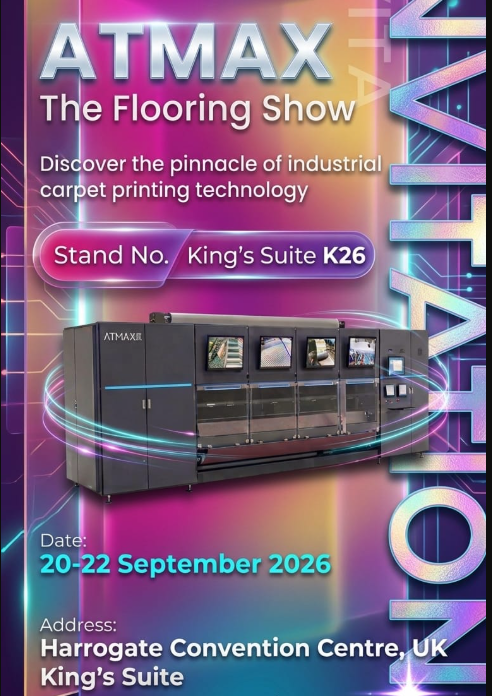
Digital Carpet Printing in the UK: A Complete Guide for Manufacturers
The UK’s textile and flooring industries have a long history of innovation, craftsmanship, and manufacturing excellence. As customer demands continue to evolve, manufacturers are increasingly turning to advanced technologies that improve efficiency, reduce waste, and enable greater product customization. One of the most significant developments in recent years has been the rise of digital carpet printing in the UK.
From luxury hotels and commercial offices to retail spaces and residential developments, digitally printed carpets are becoming a preferred flooring solution across many sectors. Unlike traditional printing methods, digital carpet printing allows manufacturers to create highly detailed, customised designs with faster turnaround times and greater production flexibility.
As sustainability and personalization become key purchasing factors, digital carpet printing is helping British manufacturers remain competitive in both domestic and international markets.
In this guide, we explore how digital carpet printing works, its advantages, applications, and why it is shaping the future of carpet manufacturing in the UK.
What Is Digital Carpet Printing?
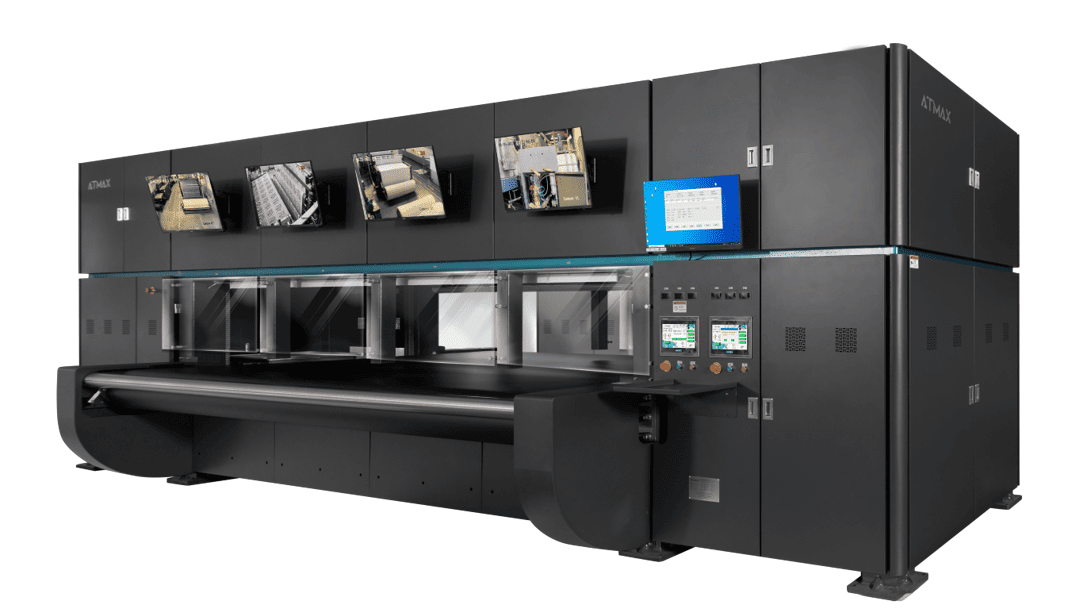
Digital carpet printing is a modern manufacturing process that uses advanced inkjet technology to apply designs directly onto carpet surfaces.
Unlike conventional printing methods that rely on screens, rollers, or repetitive patterns, digital printing transfers artwork directly from a computer to the carpet material. This allows manufacturers to produce complex designs, vibrant colours, and customised products with exceptional accuracy.
Digital carpet printing can be used on various carpet materials including:
- Nylon carpets
- Wool carpets
- Polyester carpets
- Polypropylene carpets
- Blended textile flooring materials
The technology is ideal for both large-scale manufacturing and small custom orders.
Why Digital Carpet Printing Is Growing in the UK
Several factors are driving the adoption of digital carpet printing across Britain.
Demand for Customisation
Businesses and consumers increasingly seek unique products tailored to their specific requirements.
Hotels may require bespoke carpet patterns, while corporate offices often incorporate branding into their flooring designs.
Digital printing allows manufacturers to produce customised carpets without expensive setup costs.
Growth in Hospitality and Commercial Interiors
The UK’s hospitality, retail, and commercial property sectors continue to invest heavily in interior design.
Digitally printed carpets enable architects and designers to create distinctive spaces that align with brand identities and customer experiences.
Faster Production and Delivery
Traditional carpet printing methods often require lengthy setup processes.
Digital printing reduces preparation time, allowing manufacturers to respond more quickly to customer demands and market trends.
Sustainability Requirements
British manufacturers face increasing pressure to reduce environmental impact.
Many digital printing systems use water-efficient technologies that help businesses achieve sustainability goals while reducing operational costs.
Key Benefits of Digital Carpet Printing
Unlimited Design Possibilities
Digital printing allows manufacturers to produce:
- Intricate patterns
- Corporate branding
- Photographic imagery
- Geometric designs
- Luxury hospitality flooring
- Bespoke residential carpets
The design possibilities are virtually limitless.
Cost-Effective Short Runs
Traditional printing often becomes expensive when producing small quantities.
Digital carpet printing eliminates screen production costs, making short-run and on-demand production commercially viable.
Superior Colour Accuracy
Modern digital printers reproduce colours with remarkable precision and consistency.
This is particularly important for corporate, hospitality, and retail projects where brand colours must be accurately maintained.
Reduced Waste
Because carpets are printed directly from digital files, manufacturers can minimise material waste and improve production efficiency.
Applications of Digital Carpet Printing in the UK
Digital carpet printing serves a wide range of industries.
Hospitality Sector
Hotels, resorts, conference centres, and entertainment venues often require custom carpets that complement their interior design themes.
Corporate Offices
Businesses use digitally printed carpets to reinforce branding and create professional work environments.
Retail and Commercial Spaces
Retailers increasingly use custom flooring to enhance customer experiences and strengthen brand identity.
Education Sector
Schools, colleges, and universities utilise customised carpets featuring logos, colours, and wayfinding designs.
Residential Projects
Homeowners are increasingly seeking personalised interior décor solutions, creating opportunities for custom carpet manufacturers.
Challenges and Considerations
Although digital carpet printing offers many advantages, manufacturers should consider several factors before investing.
These include:
- Equipment costs
- Operator training
- Software integration
- Maintenance requirements
- Ink and consumable management
Partnering with experienced textile printing equipment suppliers can help businesses overcome these challenges and maximise return on investment.
Is Digital Carpet Printing a Good Investment in the UK?
For many manufacturers, digital carpet printing represents a strong long-term investment.
The technology allows businesses to:
- Expand product offerings
- Improve production efficiency
- Serve niche markets
- Offer premium customised products
- Reduce environmental impact
As demand for personalised and sustainable flooring solutions continues to grow, manufacturers that invest in digital printing technology are likely to gain a significant competitive advantage.
The Future of Digital Carpet Printing in Britain
The future of carpet manufacturing in the UK is increasingly digital.
Advances in printing technology, automation, colour management, and sustainable production methods are making digital printing more accessible and efficient than ever before.
Manufacturers that embrace innovation will be better positioned to meet changing customer expectations and compete in a global marketplace.
As industries continue to prioritise flexibility, sustainability, and customisation, digital carpet printing will play an increasingly important role in the British textile sector.
Conclusion
Digital carpet printing in the UK is transforming the way carpets are designed, manufactured, and delivered. By offering greater flexibility, faster production, improved sustainability, and enhanced customisation, digital printing technology is helping manufacturers adapt to modern market demands.
From hospitality and commercial interiors to education and residential projects, demand for customised flooring solutions continues to grow. Businesses that invest in digital carpet printing technology today will be well positioned to capitalise on future opportunities and strengthen their competitive position in the UK’s evolving textile industry.