The Cost of Setting Up a Digital Carpet Printing Business in the UK
The UK flooring and textile sectors continue to evolve as businesses seek more efficient, sustainable, and customisable manufacturing solutions. Among the fastest-growing opportunities within the industry is digital carpet printing, a technology that enables manufacturers to produce high-quality custom carpets for hospitality, commercial, retail, education, and residential markets.
As demand for bespoke flooring solutions increases, many entrepreneurs and established manufacturers are exploring the possibility of launching a digital carpet printing business in the UK. However, before making an investment, it is essential to understand the costs involved and the factors that influence profitability.
From purchasing equipment and securing production space to staffing, maintenance, and marketing, several key expenses must be considered when planning a digital carpet printing operation.
This guide provides an overview of the major costs associated with setting up a digital carpet printing business in Britain and highlights the opportunities available within this growing market.
Why Invest in Digital Carpet Printing?
Traditional carpet manufacturing often requires large production runs, extensive setup processes, and significant labour resources. Digital carpet printing offers a more flexible alternative.
Modern digital printing technology allows manufacturers to:
- Produce customised designs
- Respond quickly to customer demands
- Reduce material waste
- Offer small-batch production
- Improve production efficiency
- Serve multiple market segments
As businesses increasingly seek personalised flooring solutions, digital printing provides a competitive advantage.
Understanding the Initial Investment
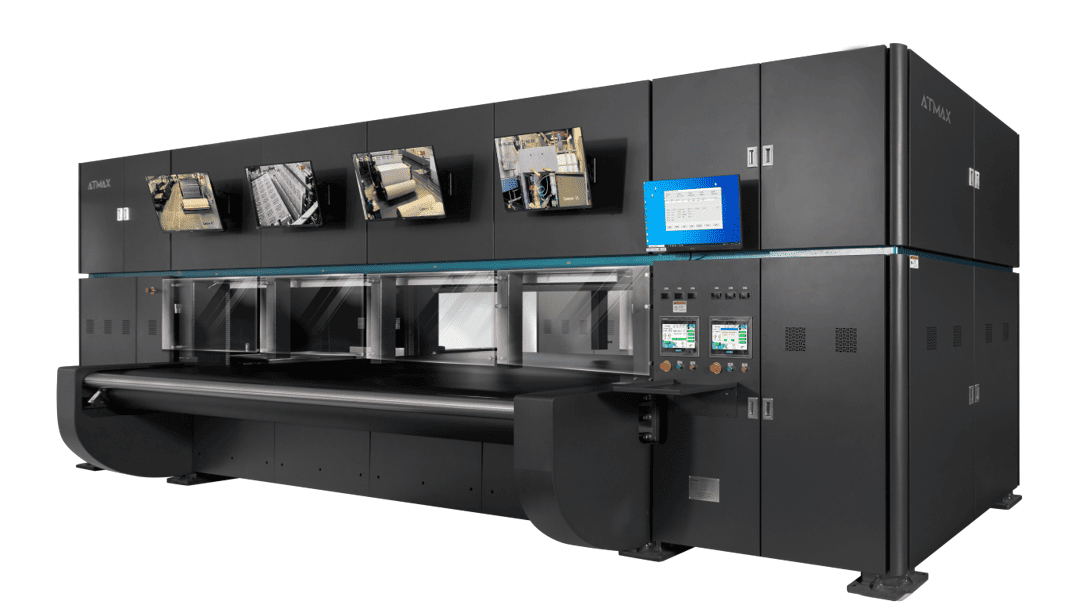
The largest expense when establishing a digital carpet printing business is typically the printing equipment itself.
Industrial digital carpet printers are sophisticated systems designed to deliver:
- High-resolution printing
- Consistent colour accuracy
- Fast production speeds
- Commercial-scale output
- Long-term operational reliability
The overall investment will depend on factors such as production capacity, automation level, print width, and technology specifications.
Businesses should focus on selecting equipment that aligns with their production goals rather than simply choosing the lowest-cost option.
Production Facility Costs
A digital carpet printing operation requires suitable production space.
The facility should accommodate:
- Printing equipment
- Material storage
- Finished product storage
- Design and administration offices
- Quality control processes
- Packaging and dispatch operations
Location Considerations
Manufacturers often choose locations based on:
- Transport accessibility
- Labour availability
- Utility infrastructure
- Distribution requirements
Industrial zones and manufacturing hubs can provide logistical advantages while supporting future business growth.
Utility Requirements
Operating costs may include:
- Electricity
- Internet connectivity
- Heating and ventilation
- Security services
- Facility maintenance
Energy-efficient equipment can help reduce long-term operating expenses.
Software and Digital Design Systems
Digital carpet printing relies heavily on software.
Most businesses require:
- Graphic design software
- Colour management systems
- Workflow automation tools
- Production management software
- Printer control applications
These systems help ensure accurate design reproduction and efficient manufacturing processes.
Investing in professional software solutions is essential for maintaining quality standards and productivity.
Raw Materials and Consumables
Ongoing production requires a reliable supply of materials and consumables.
Common requirements include:
Carpet Substrates
Manufacturers may print on:
- Nylon carpets
- Wool carpets
- Polyester carpets
- Polypropylene carpets
- Blended fibre materials
Printing Inks
High-quality textile inks are critical for producing durable and vibrant designs.
Maintenance Supplies
Routine maintenance products help keep equipment operating efficiently and reduce downtime.
Building strong supplier relationships is important for maintaining consistent production schedules.
Staffing and Training Costs
Although digital printing technology increases automation, skilled personnel remain essential.
A typical operation may require:
- Machine operators
- Graphic designers
- Production supervisors
- Sales professionals
- Administrative staff
- Technical support personnel
Training Requirements
Employees should receive training in:
- Printer operation
- Colour management
- Maintenance procedures
- Workflow management
- Quality control processes
Well-trained staff improve efficiency, reduce waste, and help maintain consistent product quality.
Marketing and Business Development
Launching a digital carpet printing business requires more than manufacturing capability.
Customers must be able to find and trust your brand.
Website Development
A professional website helps showcase products and generate enquiries.
Search Engine Optimisation (SEO)
SEO can help businesses rank for valuable search terms such as:
- Digital carpet printing UK
- Custom carpet printing UK
- Carpet manufacturers UK
- Commercial carpet printing services
- Bespoke carpet printing
Social Media Marketing
Platforms such as LinkedIn, Instagram, Facebook, and YouTube can help manufacturers attract customers and showcase completed projects.
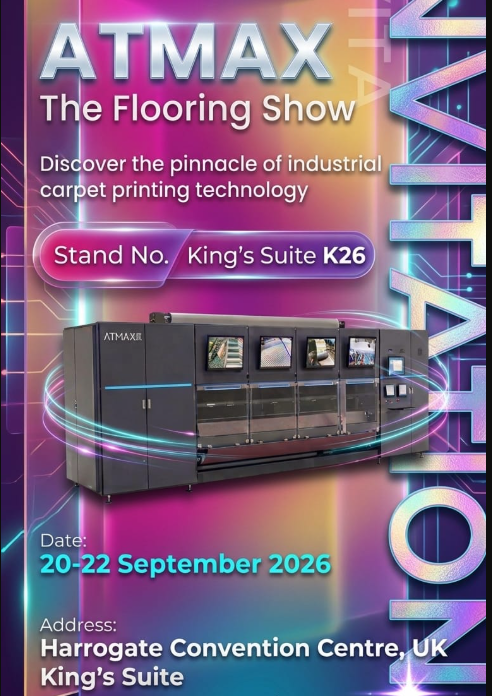
Trade Shows and Industry Events
Industry exhibitions provide opportunities to build relationships with architects, designers, property developers, and hospitality businesses.
Marketing should be viewed as an ongoing investment rather than a one-time expense.
Maintenance and Support Costs
Like any industrial equipment, digital carpet printers require routine maintenance.
Manufacturers should budget for:
- Scheduled servicing
- Spare parts
- Software updates
- Technical support
- Preventive maintenance programmes
Working with equipment suppliers that offer reliable after-sales support can significantly reduce operational risks.
Factors That Influence Startup Costs
Several variables affect the overall cost of establishing a digital carpet printing business.
Scale of Production
Larger operations typically require higher-capacity equipment and larger facilities.
Product Range
Offering multiple carpet types and customisation options may increase equipment and inventory requirements.
Automation Level
Highly automated systems often require greater initial investment but may reduce long-term labour costs.
Target Market
Manufacturers serving luxury hospitality or premium commercial sectors may require advanced capabilities and higher-quality materials.
Potential Revenue Opportunities
A digital carpet printing business can serve a variety of industries.
These include:
Hospitality
Hotels, resorts, conference centres, and entertainment venues frequently require customised flooring solutions.
Commercial Offices
Corporate clients often seek branded carpets and custom interior designs.
Retail Spaces
Retailers use custom flooring to enhance customer experiences and strengthen brand identity.
Education Sector
Schools, colleges, and universities often require durable, customised flooring products.
Residential Projects
Homeowners increasingly seek bespoke interior design solutions, creating opportunities for premium carpet products.
Is Digital Carpet Printing Profitable?
Profitability depends on several factors, including production efficiency, market demand, pricing strategy, and customer acquisition.
Digital printing offers several advantages that can improve profitability:
- Lower setup costs for custom orders
- Faster turnaround times
- Reduced waste
- Greater product flexibility
- Access to premium market segments
Businesses that successfully combine quality production with effective marketing can achieve strong long-term returns.
Why Demand Is Expected to Grow
Several trends are supporting continued growth within the UK carpet printing industry.
These include:
- Increased demand for customisation
- Growth in hospitality and commercial developments
- Sustainability initiatives
- Expansion of digital manufacturing technologies
- Greater interest in short-run production
Manufacturers that invest early in digital printing technologies will be well positioned to capitalise on these opportunities.
Conclusion
Starting a digital carpet printing business in the UK requires careful planning and investment, but the long-term opportunities are significant. By combining advanced printing technology, skilled personnel, effective marketing, and reliable support services, businesses can create a competitive operation capable of serving a wide range of industries.
As demand for customised and sustainable flooring solutions continues to grow, digital carpet printing is becoming an increasingly attractive opportunity for entrepreneurs, investors, and established manufacturers alike. Businesses that embrace this technology today can position themselves at the forefront of the UK’s evolving textile and flooring sectors.