Digital vs. Screen Printing for Carpets: A Guide for UK Manufacturers
The UK carpet manufacturing industry has a long-standing reputation for quality, innovation, and craftsmanship. However, changing customer demands, increasing environmental regulations, and advances in printing technology are encouraging manufacturers to rethink traditional production methods.
One of the most important decisions facing carpet manufacturers today is whether to invest in digital carpet printing or continue using conventional screen printing techniques. Both methods have their advantages, but they differ significantly in terms of production efficiency, flexibility, cost, sustainability, and long-term business value.
Understanding the differences between these technologies is essential for businesses seeking to remain competitive in today’s evolving marketplace.
This guide compares digital vs screen printing for carpets in the UK, helping manufacturers determine which solution best aligns with their production goals and customer requirements.
Understanding Traditional Screen Printing
Screen printing has been a core part of textile and carpet manufacturing for many decades.
The process involves creating individual screens for each colour within a design. Ink is then applied through these screens onto the carpet surface to create the final pattern.
For large-scale production of repetitive designs, screen printing has historically been an effective manufacturing solution.
Advantages of Screen Printing
Screen printing offers several benefits.
These include:
- Suitable for large production volumes
- Consistent results for repeated patterns
- Established manufacturing process
- Durable print application
- Familiar technology for many manufacturers
For businesses producing large quantities of identical carpet designs, screen printing can still be an effective option.
Limitations of Screen Printing
Despite its strengths, screen printing has several limitations.
These include:
- High setup costs
- Longer preparation times
- Limited design flexibility
- Significant water consumption
- Increased material waste
- Less efficient for small production runs
Each design change typically requires new screens, increasing both production time and operational expenses.
Understanding Digital Carpet Printing
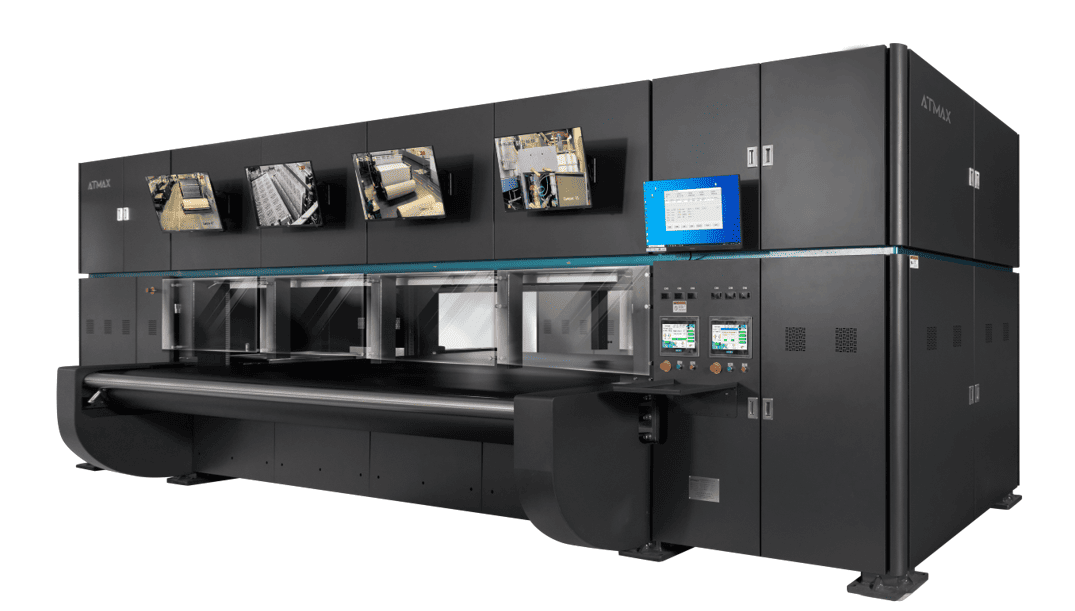
Digital carpet printing uses advanced inkjet technology to print designs directly onto carpet materials from digital artwork.
Unlike screen printing, no physical screens are required.
This allows manufacturers to move quickly from design to production while maintaining exceptional print quality.
Advantages of Digital Carpet Printing
Digital printing offers numerous benefits for modern manufacturers.
These include:
- Unlimited design flexibility
- Faster production setup
- Lower waste levels
- High-resolution printing
- Small-batch production capability
- Reduced water consumption
- Quick design modifications
These advantages make digital printing increasingly attractive for manufacturers serving hospitality, commercial, retail, and residential markets.
Design Flexibility: Which Technology Offers More?
One of the most significant differences between the two methods is design flexibility.
Screen Printing
Screen printing performs best when producing:
- Repetitive designs
- Standardised patterns
- Large production volumes
However, changing colours or modifying artwork often requires additional screens and setup time.
Digital Printing
Digital printing enables manufacturers to produce:
- Bespoke carpets
- Corporate-branded flooring
- Photographic designs
- Complex graphics
- Personalised products
- Limited-edition collections
Design changes can be made instantly through software without affecting production efficiency.
Winner: Digital Printing
For manufacturers targeting customisation and premium projects, digital printing provides a clear advantage.
Production Speed and Efficiency
Efficiency is critical in today’s competitive manufacturing environment.
Screen Printing
While production can be efficient once setup is complete, preparation often requires:
- Screen creation
- Colour alignment
- Equipment calibration
- Production testing
These steps increase lead times and reduce flexibility.
Digital Printing
Digital printers can begin production almost immediately after artwork approval.
Benefits include:
- Faster setup
- Shorter lead times
- Improved responsiveness
- Reduced downtime
Winner: Digital Printing
Digital systems enable faster production and improved customer service.
Cost Comparison
Cost is often a major consideration when evaluating printing technologies.
Initial Investment
Screen printing equipment generally requires a lower upfront investment compared to advanced digital carpet printers.
However, purchase price is only one part of the equation.
Operating Costs
Screen printing often involves:
- Screen production expenses
- Labour-intensive setup
- Higher water usage
- Greater material waste
- Additional storage requirements
Digital printing eliminates many of these costs.
Long-Term Value
For manufacturers producing customised products or shorter production runs, digital printing often delivers stronger long-term financial returns.
Winner: Depends on Production Requirements
- Large repetitive runs: Screen printing may remain cost-effective.
- Custom and varied production: Digital printing usually offers greater value.
Sustainability and Environmental Impact
Environmental responsibility has become a major priority within UK manufacturing.
Screen Printing
Traditional screen printing can involve:
- High water consumption
- Significant wastewater generation
- Greater chemical usage
- Higher material waste
These factors can increase both environmental impact and compliance costs.
Digital Printing
Digital carpet printing supports sustainability through:
- Reduced water consumption
- Lower waste generation
- More efficient ink usage
- Reduced energy requirements
- Cleaner production processes
These benefits align with modern environmental standards and customer expectations.
Winner: Digital Printing
For manufacturers pursuing sustainability goals, digital printing offers significant advantages.
Print Quality and Colour Accuracy
Quality remains a key factor in carpet manufacturing.
Screen Printing
Screen printing delivers reliable results for standard designs but can be limited when reproducing highly detailed graphics.
Digital Printing
Digital systems provide:
- High-resolution output
- Precise colour matching
- Sharp image reproduction
- Complex pattern capabilities
- Consistent quality across production runs
This makes digital printing ideal for premium flooring applications.
Winner: Digital Printing
Digital technology offers superior flexibility and image quality.
Which Technology Is Best for UK Manufacturers?
The best solution depends on business objectives.
Screen Printing May Be Suitable If:
- You primarily produce large quantities of identical carpets.
- Product designs rarely change.
- Initial investment budgets are limited.
- Customisation is not a key market requirement.
Digital Printing May Be Suitable If:
- You serve hospitality, retail, or commercial sectors.
- Customers demand customised designs.
- Fast turnaround times are important.
- Sustainability goals are a priority.
- You want to expand into premium markets.
For many modern manufacturers, digital printing provides greater flexibility and future growth opportunities.
Industry Trends Driving Digital Adoption
Several trends are accelerating the shift toward digital carpet printing in the UK.
These include:
Growing Demand for Personalisation
Customers increasingly seek unique products tailored to their specific needs.
Sustainability Requirements
Businesses are under pressure to reduce environmental impact and improve resource efficiency.
Faster Project Timelines
Clients expect shorter lead times and quicker delivery schedules.
Technological Advancements
Modern digital printing systems continue to improve in speed, quality, and affordability.
These trends favour digital printing technologies over traditional production methods.
The Future of Carpet Manufacturing in Britain
As the UK textile industry continues to modernise, digital printing is expected to play an increasingly important role.
Manufacturers that invest in digital technology can benefit from:
- Greater market flexibility
- Improved sustainability performance
- Enhanced customer satisfaction
- New revenue opportunities
- Stronger competitive positioning
The ability to deliver customised, high-quality products efficiently will become increasingly important in the years ahead.
Conclusion
When comparing digital vs screen printing for carpets in the UK, both technologies have strengths. Screen printing remains effective for large-scale production of standardised designs, while digital printing offers unmatched flexibility, sustainability, efficiency, and customisation.
For manufacturers seeking to meet modern customer demands and future-proof their operations, digital carpet printing provides significant advantages. As the industry continues to evolve, businesses that embrace digital innovation will be better positioned to compete in both domestic and international markets.